
Why Most Roofs Fail Before 25 Years. It Isn't the Shingles.
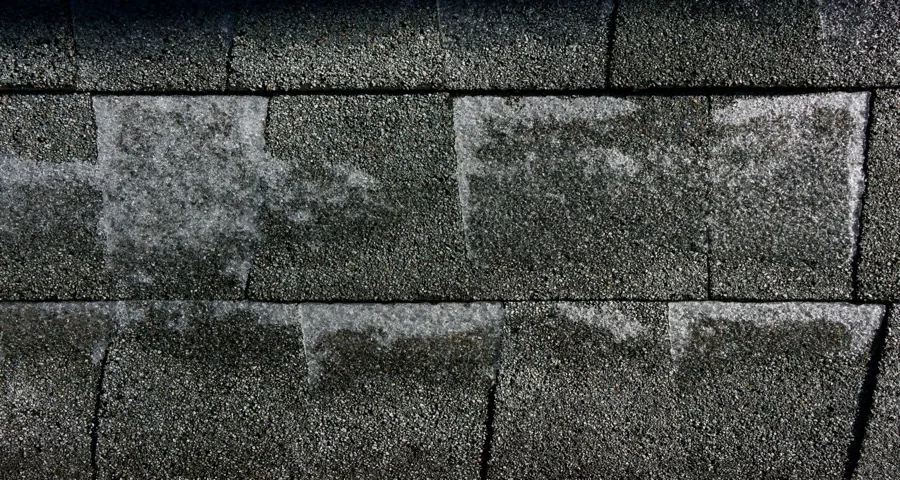
A homeowner in Blaine called me last spring. Twelve-year-old roof, manufacturer warranty was supposed to last 30. He had a leak above the kitchen. When he called the contractor who installed it, the number went straight to voicemail. Voicemail box full. He looked them up. Out of business since 2022. I went out there, climbed the roof, and found the problem in about ten minutes. It wasn't the shingles. The shingles were fine. The crew had reused the original pipe boots from his previous roof. The neoprene cracked after seven winters. Water had been running into his deck for two years before it finally showed up on his ceiling.
That story isn't unusual. I've been installing roofs in the Twin Cities for more than 20 years, and I've inspected hundreds of premature failures. Almost none of them are material failures. They're installation failures. And the warranty on materials doesn't cover what the crew did wrong on the install.
If you're reading this because your roof is failing early, or because you're about to hire a contractor and you want to know what to watch out for, here's the truth.
The Myth: It Must Be Cheap Shingles
When a roof fails before its expected life, the first instinct is to blame the materials. The shingles must have been cheap, or defective, or the wrong rating for Minnesota weather. That's almost never true.
Modern asphalt shingles from GAF, Owens Corning, and CertainTeed are tested to withstand the conditions in this climate. They're rated for wind, hail, and freeze-thaw cycles. Their manufacturers put their names on warranties that go 30, 40, even 50 years. The shingles aren't the problem.
What manufacturers don't warranty is whether your crew installed those shingles correctly. And that's where almost every early failure begins.
The Reality: Installation Failures Cause Most Callbacks
I've kept track of why my company gets called out for inspections on roofs other contractors installed. The pattern is consistent. Here are the seven things that show up over and over.
1. Reused Pipe Boot Flashings
This is the single most common one. A pipe boot is the rubber gasket around your plumbing vents. The neoprene has a lifespan of about 7 to 10 years in Minnesota's UV and freeze-thaw cycle. When a crew tears off your old shingles and finds your old pipe boots still in place, the temptation is to leave them and shingle around them. A new pipe boot costs about $15. Pulling it and installing a new one takes maybe ten minutes. But ten minutes times five vents on a house adds up. So they skip it.
Seven years later, the boot cracks. Water runs straight down the vent pipe into your attic. The first sign is usually a stain on the ceiling. By then, the deck around the vent is rotting and you're looking at $500 to $1,500 in interior repairs that a $15 part would have prevented.
2. Missing Ice and Water Shield at Valleys
Roof valleys are the lines where two roof planes meet. They concentrate water flow. In Minnesota, they also trap ice during the freeze-thaw cycle. Ice and water shield is a self-adhering rubber membrane that goes under the shingles in valleys, around penetrations, and along the eaves. It's the second line of defense when water gets past the shingles, which it will eventually.
Some crews skip valley ice and water shield to save time or material. The roof looks normal from the curb. But the first big ice dam pushes water under the valley shingles and straight into the deck. You don't see it for 18 months. By then, the rot is established.
3. High-Nailing
Every shingle has a specific nailing zone, a reinforced strip across the back where the nail is supposed to go. If the nail lands above or below that zone, it holds at maybe half the strength. The shingle is more likely to lift in wind and more likely to pull through during hail.
High-nailing happens when crews are tired or rushed, or when they're using nail guns that aren't calibrated correctly. From the ground, the roof looks fine. The first severe wind event tells you otherwise. Shingles peel off in sheets and the insurance company starts asking questions about whether the original installation was up to code.
4. Cut 3-Tab Ridge Cap
Ridge cap shingles go along the peak of your roof. They have a sealant strip on the underside that bonds them down and prevents wind uplift. Purpose-made ridge cap shingles come from the factory with this sealant. They cost more than regular 3-tab shingles.
Some crews cut regular 3-tab shingles into thirds and use those instead. The shape looks similar from below. But there's no sealant strip on the folded edge. Wind gets under them, they lift, they gap, and water gets in along the most exposed part of your roof. This is so common in Minnesota that I check for it on every inspection.
5. Unbalanced Ventilation
Your attic needs balanced ventilation to keep the roof deck dry and stable. That means equal intake at the soffits and equal exhaust at the ridge or at box vents. When the system is out of balance, especially when there's more exhaust than intake, the attic creates negative pressure. It pulls conditioned air up through the ceiling. Higher energy bills. Moisture in the deck. Shorter roof life.
I see mismatched vent systems all the time. Ridge vents on one section and box vents on another, both pulling against each other and short-circuiting. Soffit vents blocked by insulation. New attic fans installed without checking total intake area. None of it shows from the curb. All of it shortens the life of your roof.
6. Step Flashing Done Wrong
Where your roof meets a wall, like along a dormer or a chimney, the connection needs step flashing. Each shingle course gets a piece of L-shaped metal flashing tucked behind it, interwoven up the wall. Done right, every drop of water that runs down the wall ends up on top of the shingle below it, not behind it.
Done wrong, the flashing is continuous strip flashing or worse, just sealant smeared along the joint. Sealant lasts maybe five years before it cracks and water runs straight behind the siding into the wall cavity. By the time you find the leak, the framing is wet.
7. Wrong Starter Strip
Starter strip shingles go along the eaves and rakes. They're the foundation of the entire shingle pattern, and they have a sealant strip that bonds the first course down. Like ridge cap, purpose-made starter strip is a specific product.
Some crews cut up regular 3-tab shingles and use those as starter. Same problem as cut ridge cap. No sealant where it's needed most. The result is wind lift on the most exposed edges of the roof. The first nor'easter takes them off.
Why Insurance Jobs Are Where It's Worst
After a major hail event in the Twin Cities, demand spikes. Some crews are running four jobs a week instead of one. Out-of-state storm chasers show up with trucks and pop-up offices and a sales team. The work has to get done fast because the next storm could ground them and the homeowner wants their roof back. Quality is the first thing that suffers.
I'm not saying everyone who works storm season cuts corners. But I am saying that storm season is when the shortcuts I listed above happen most often. And insurance pays the same whether the install was done right or done in five hours. The financial incentive for the contractor is volume, not quality.
If you're getting a roof replaced after a storm, the install matters more, not less. The same standards have to apply regardless of who's paying.
What Homeowners Should Actually Demand
You don't have to become a roofing expert. You just have to know what to ask for and what to look for. Here's the short version.
- New pipe boots on every penetration. Ask. Then watch.
- Ice and water shield in all valleys and around all penetrations, not just at the eaves. Minnesota code is the minimum. Better to exceed it.
- Photos of each phase before it gets covered. A real contractor will document the deck condition, the ice and water shield coverage, the flashing details, and the final ridge cap. You should get those photos at job completion.
- Purpose-made starter strip and ridge cap shingles. Ask to see the bundles before they go up.
- The same crew the whole way through. Not a sales rep, a project manager, and a different installer you never met.
- The owner on site, or at least a project lead with the authority to fix something on the spot. Not a dispatcher you call who passes a message.
This is the entire reason I built the Frost-Forged 21 Standard. It's a 21-point installation checklist that gets verified on every Northern Forge job. Every item on the list is something I've seen go wrong on someone else's roof. Every item gets checked on every job, regardless of whether it's an insurance claim or a cash job, regardless of whether it's a small repair or a full tear-off.
Third-party certifications tell you the materials meet a standard. The Frost-Forged 21 Standard process tells you the installation does too. That's what actually determines whether your roof lasts 15 years or 30.
If Your Roof Is Failing Right Now
If you're already dealing with an early failure, the first step is figuring out what specifically went wrong. That tells you whether you're looking at a targeted repair or a full replacement. A free inspection from a real local contractor with no obligation will get you there. You don't need to take the first quote from whoever your insurance suggests. You have the right to choose your own contractor.
If your problem traces back to storm damage, the same install standards apply to the replacement. Our storm damage process walks through how we handle the inspection, the documentation, the adjuster meeting, and the install. Insurance funding doesn't lower the standards.
And if you just want a second opinion before you commit to a project, that's exactly what I'm there for. Free, on-site, no obligation. Get in touch and I'll come walk your roof.
Get a Free 21-Point Inspection
I personally walk every roof. You get a written report with photos and an honest assessment. No sales pitch. No pressure.